Back to overview The system, end to end

Five pillars carry every kilogram — from your kitchen to a new life as raw material.

Trash to Cashback is not a one-day drive. It is a complete loop, and each pillar exists because the one before it would fail without it. Here is the whole loop, pillar by pillar.

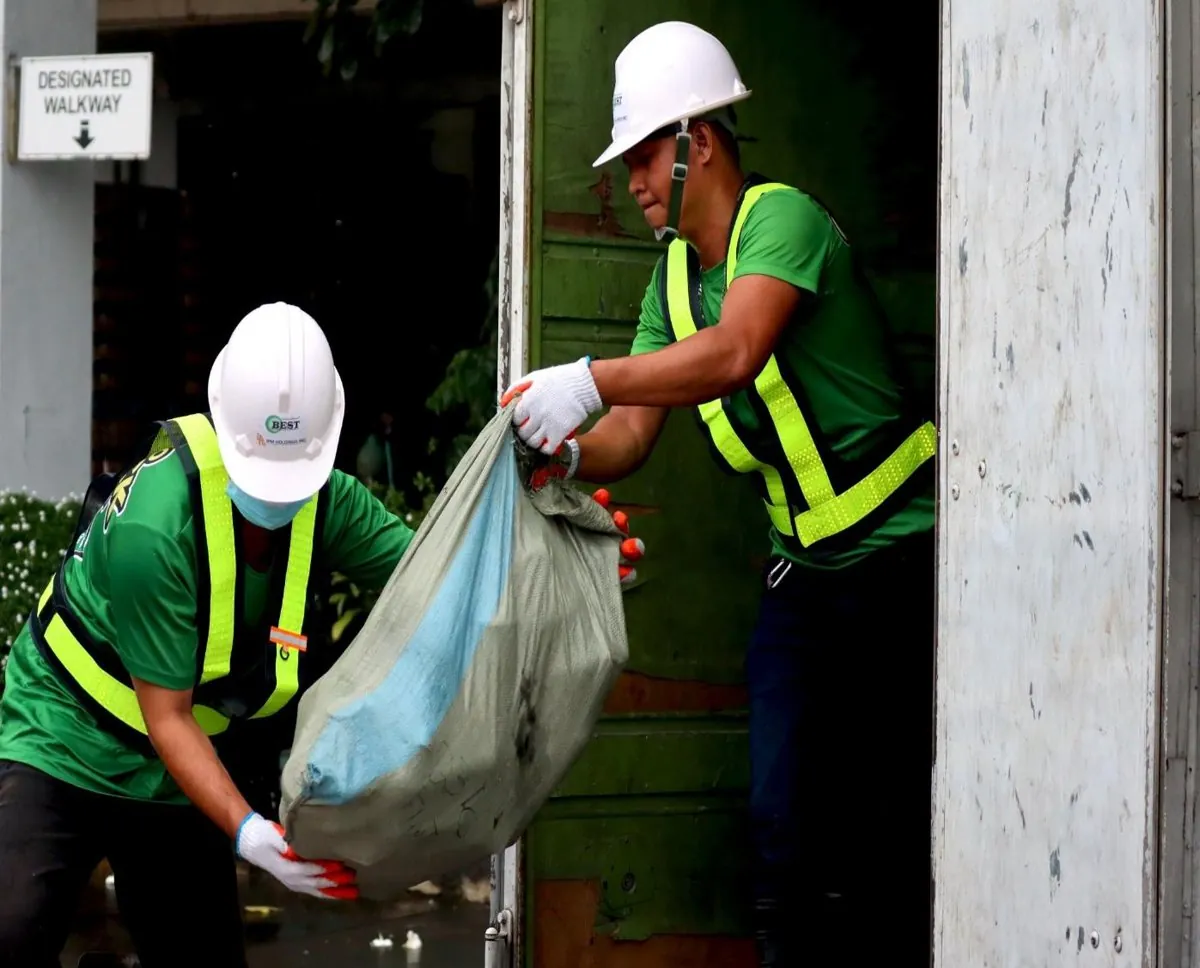
A BEST crew in hard hats receives a sorted bag at a doorway collection point
A designated area, clear containers, source-separated — segregation in practice.
01

Segregate

It begins at home, at the point of origin

Every household separates its waste into paper, plastic, metal and glass — with biodegradables and residuals kept apart. Sorting at source is the founding principle of the Ecological Solid Waste Management Act (RA 9003): materials separated at their origin stay clean enough to recover, and the volume that needs collection and disposal shrinks.

The program's job is to make this easy: designated areas close to homes, clear containers, and a routine any family can keep.

Why it matters: mixed waste is garbage; separated waste is raw material. The difference is decided in your kitchen, not at the landfill.
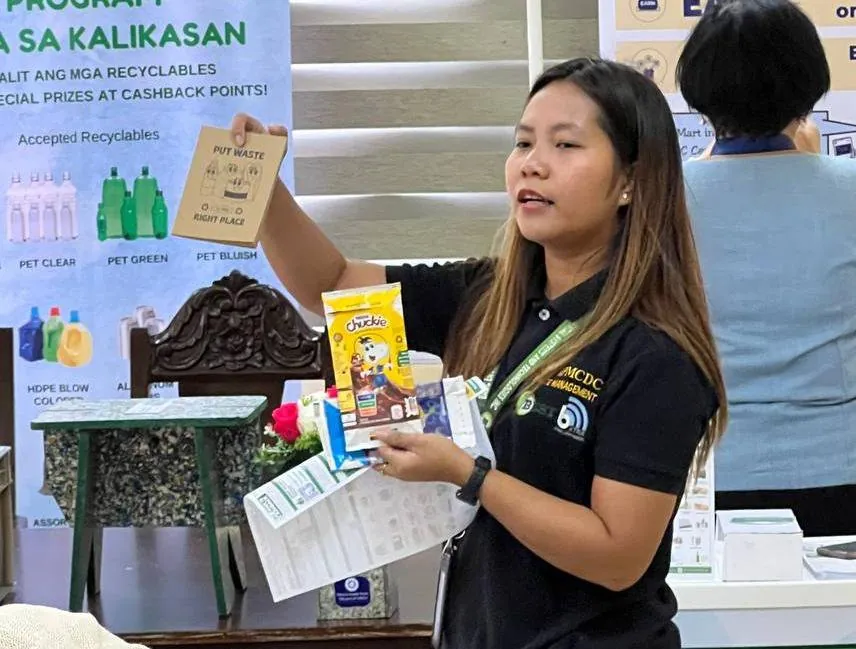
A program officer explains the exchange rate sheet to residents at a community booth
Rates explained at a community exchange point — everything weighed, everything recorded.
02

Exchange

Weighed, recorded, rewarded on the spot

Residents bring their sorted recyclables to a Trash to Cashback collection point in their own community — a booth at the barangay hall, a scheduled stop, an estate collection day. Each material is weighed and recorded, and the resident earns Environmental Points immediately, at posted per-kilogram rates.

Because every exchange is logged, the program knows exactly how much material each community recovers — which is what makes the program's results measured, not estimated.

Environmental Points are earned per kilogram, per material — paper, plastic, metal and glass each have their own posted rate.
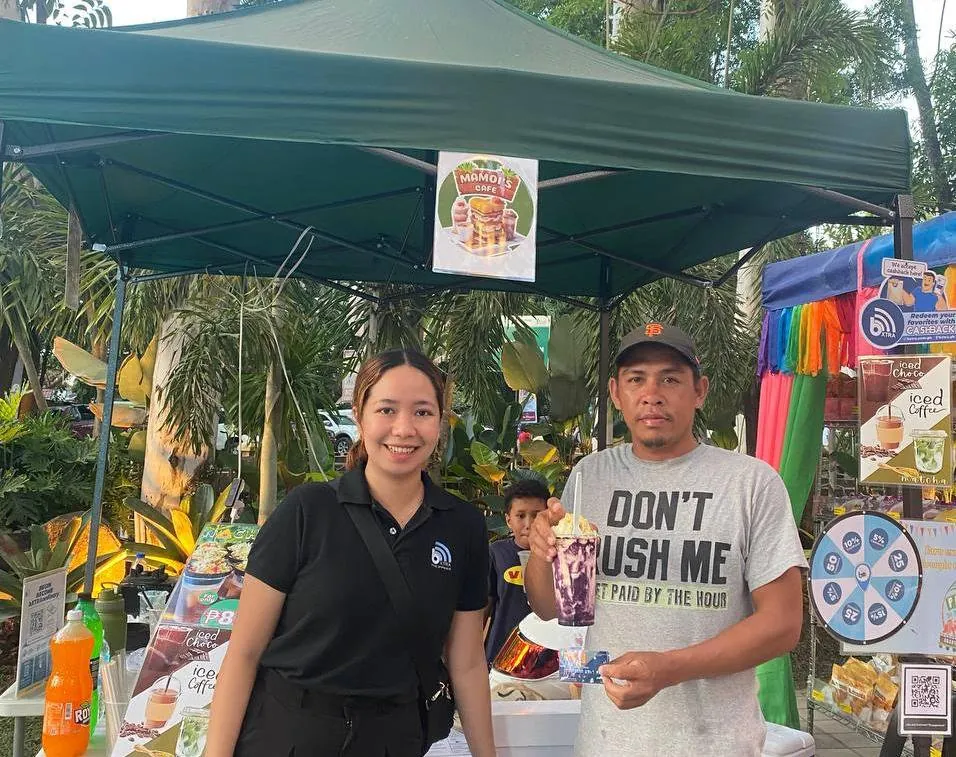
Residents at a Trash to Cashback booth beside a partner-store redemption poster
Redemption at the neighbourhood level — where the value returns to the community.
03

Redeem

The pillar that changes behaviour

This is the heart of the program. Environmental Points are redeemed as cashback at local partner stores — the sari-sari store at the corner, the neighbourhood pharmacy, the local grocery. The reward is immediate, useful, and close to home.

And because redemption happens in neighbourhood stores, the value of recycling does not leave the community — it circulates back through local businesses, stimulating the local economy with every redeemed point.

Behaviour changes when the right habit is easy — and rewarded. Redemption is the reward that keeps households segregating, week after week.
Our aim: a partner store on every street.

We are actively partnering with more sari-sari stores, pharmacies, groceries and neighbourhood businesses — because every Environmental Point redeemed nearby stays in the community, turning recyclables into sales for local stores and savings for local families. That is socio-economic impact, street by street.

Partner stores join through bXTRA Philippines — the platform that runs the Environmental Points, cashback and store catalog behind Trash to Cashback. Onboarding, what you earn, and a simple, transparent fee schedule are laid out on the sign-up page.

Own a store? Become a bXTRA Philippines partner — see how it works & the fees →
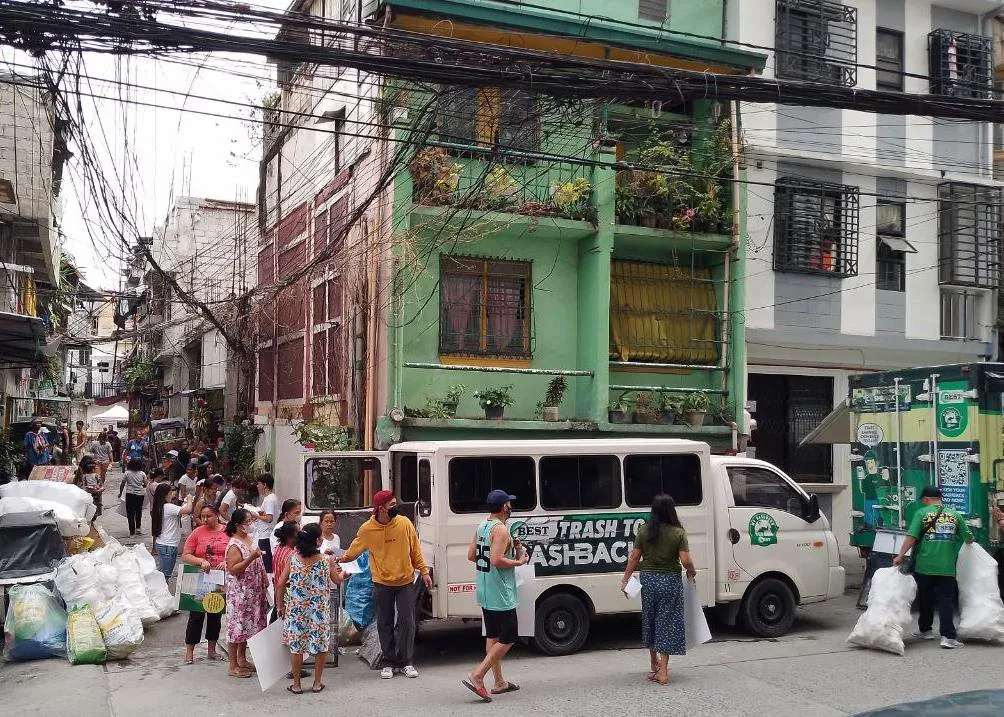
A Trash to Cashback van collecting sorted recyclables on a dense city street
A Trash to Cashback collection run — sorted materials stay sorted.
04

Collect

BEST hauls it — without undoing the sorting

From every collection point, BEST's crews and vehicles consolidate the sorted materials. The critical rule: collection preserves segregation. What residents separated is never re-mixed — different streams keep their own containers, schedules and handling all the way to the recovery facility.

BEST also holds city solid-waste collection contracts — the same discipline that serves entire cities carries every Trash to Cashback kilogram.
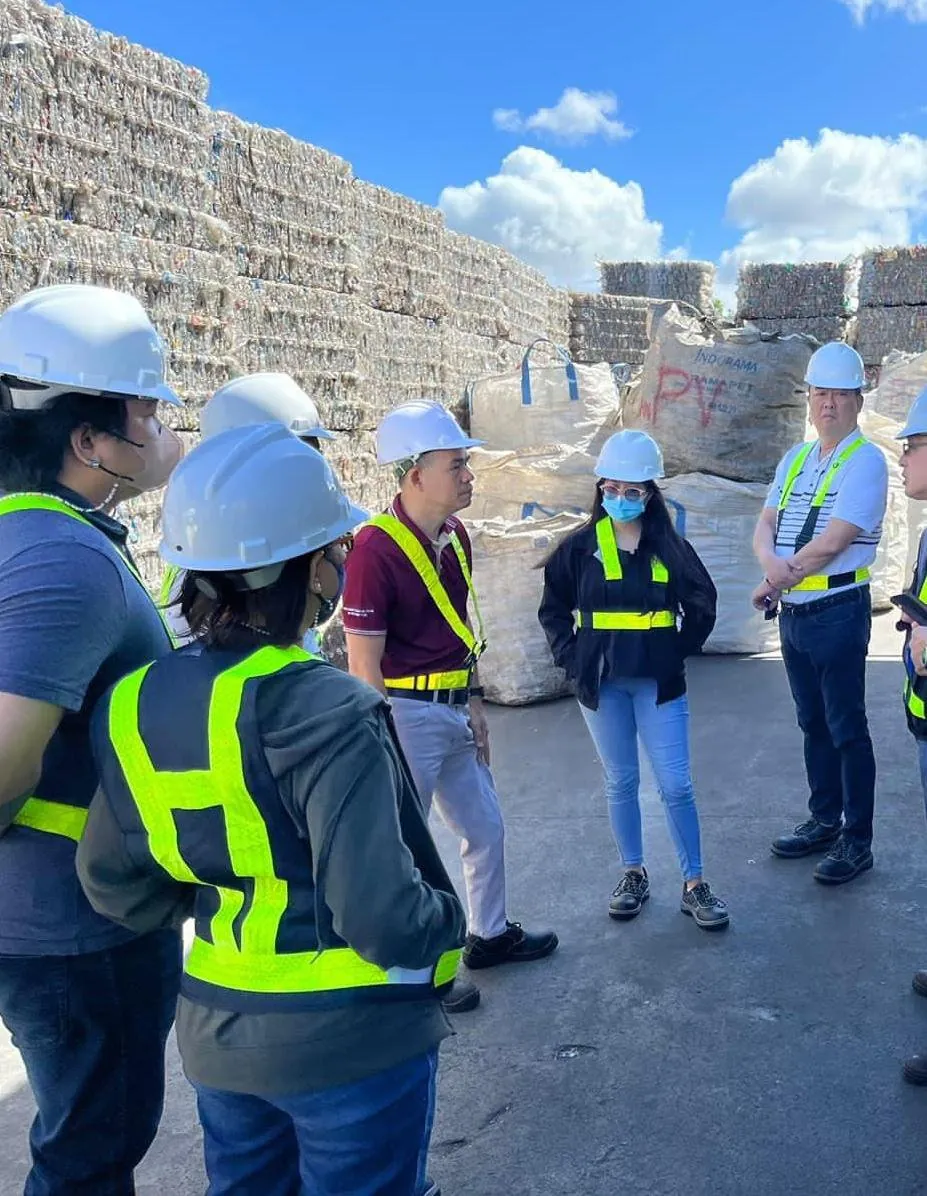
A team in hard hats stands before baled recovered paper at a recycling facility
Baled recovered material, ready for the recyclers.
05

Recycle

Materials become materials again

Finally, the recovered paper, plastic, metal and glass are delivered to recyclers and turned back into raw material — boards, packaging, new products. Every kilogram is accounted for from exchange to delivery, so recovery is traceable: what a community handed over verifiably reached a recycler, and only true residual waste goes to disposal.

Traceability is what lets recovered packaging count under the Extended Producer Responsibility Act (RA 11898) — connecting community recycling to producer funding.
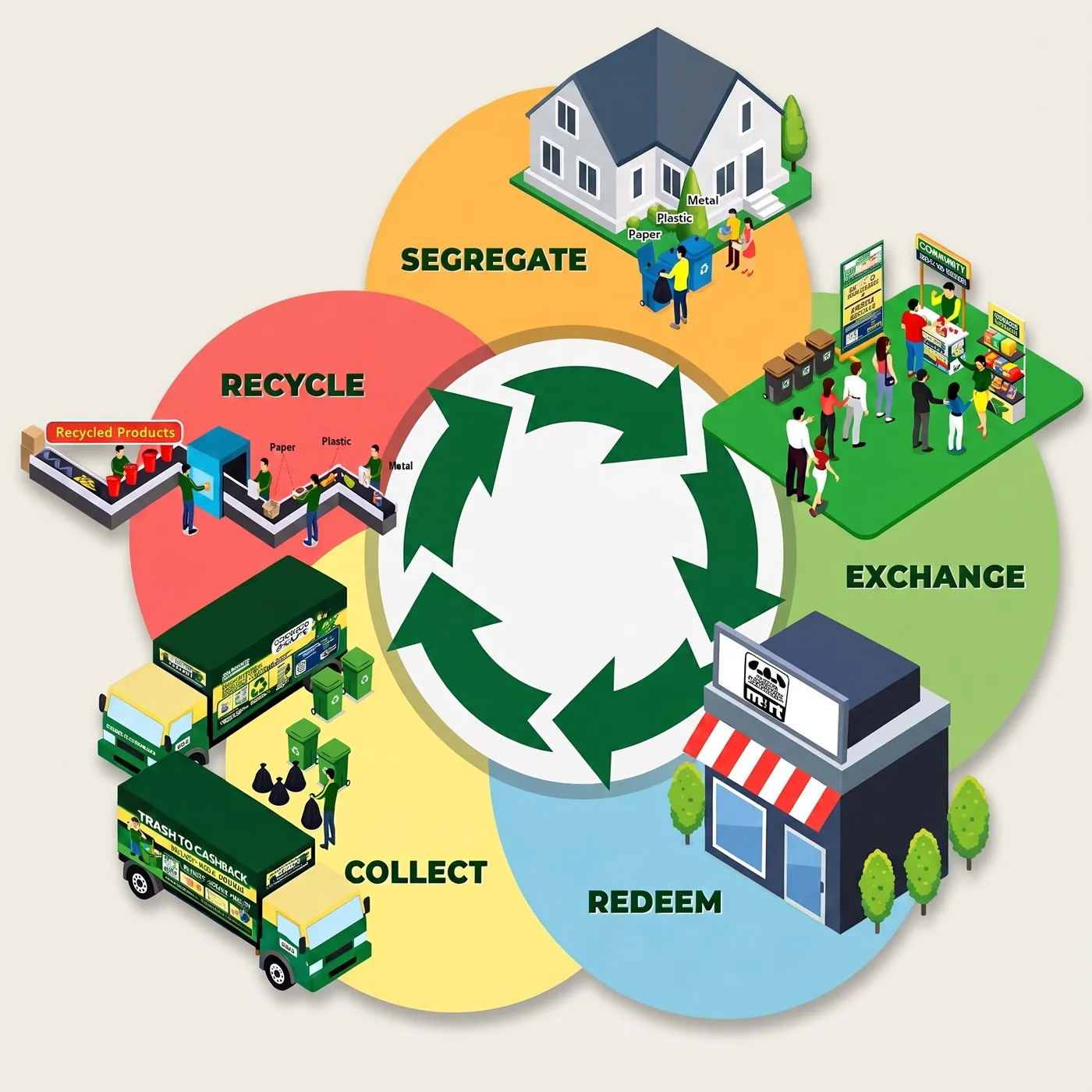
The five pillars of Trash to Cashback — Segregate, Exchange, Redeem, Collect, Recycle — arranged around a recycling cycle
One loop, five pillars

Take one pillar away, and the loop stops turning.

No segregation — nothing clean enough to recover. No exchange — no record and no reward. No redemption — no reason to keep going. No collection — materials never leave the barangay. No recycling — everything was for nothing. Together, they turn household routine into recovered resources, week after week.

That is the whole loop — sort, exchange, redeem.